



Why Us
Certifications
Every critical product is verified through NABL-accredited testing in line with applicable Indianand global standards—so consultants can specify confidently and installers can execute reliably.

ISI Marked
For Electroplated Coatings of Copper

UL Listed
For Electroplated Coatings of Copper
IEC 62561-7:2018
For Earth Enhancing Compounds

CPRI
Short Circuit Current Test for Copper Bonded Rods, Pipes

ASTM B499:2014
For Copper Bonded Rods, Strips
IEC 62561-2:2018
For Copper Bonded Rods
TUV Rheinland
RoHS-2 2011/65/EU for Earth Enhancing Compounds

SGS
(TCLP) For Earth Enhancing Compounds

CIPET
Compression Test for Earth Pit Chambers
IEC 62561-2:2018
Lightning Arrester
Quality Assurance
Quality is built into every stage of our process. With an in-house laboratory and dedicated QC professionals, we verify critical parameters to ensure consistent performance across every product segment. Our in-house tests include:
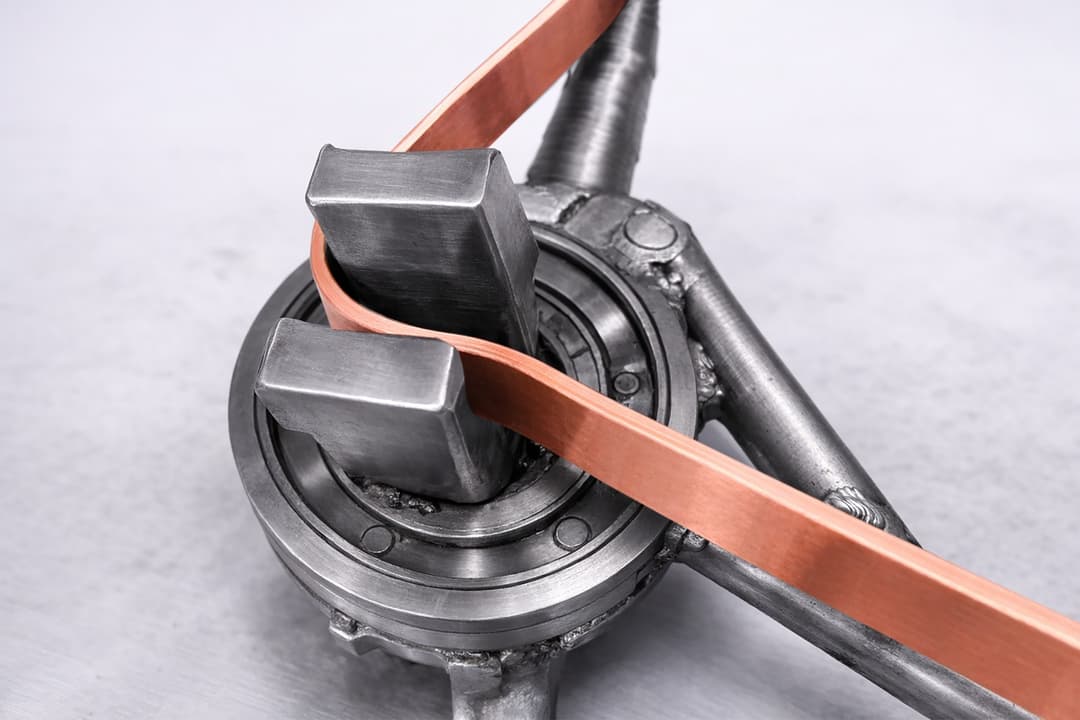
Bend Test
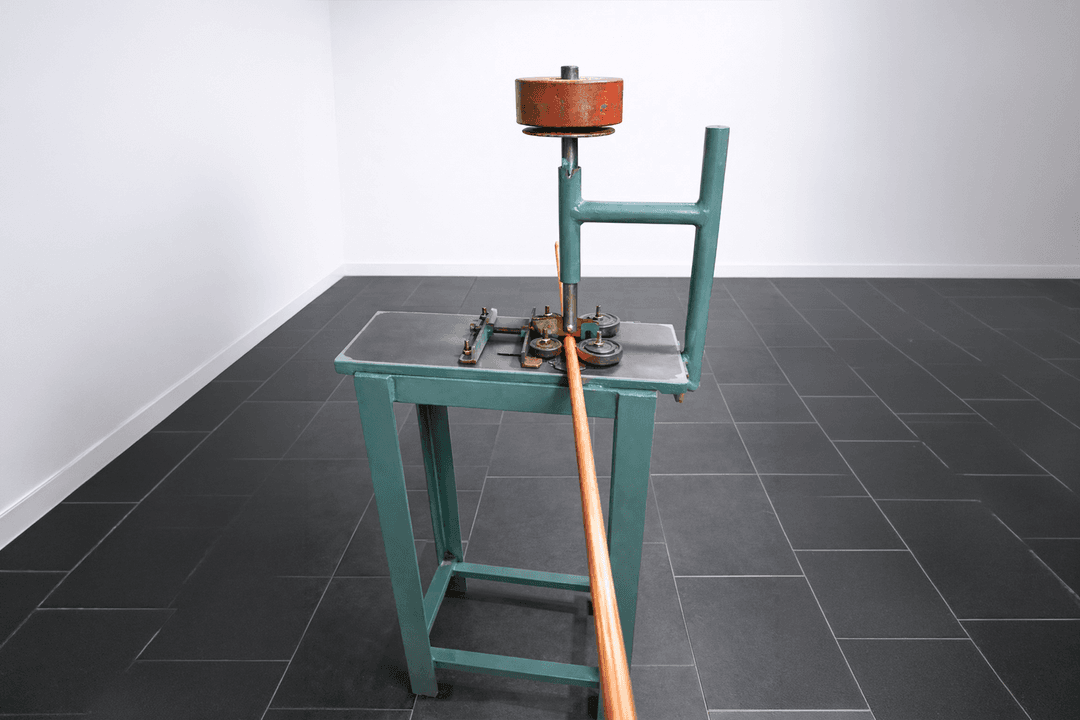
The bend test is performed to confirm the mechanical strength and integrity of the copper bonded earth electrode under bending stress that can occur during handling, transport, or site installation.
For this test, a specified length of the rod is rigidly secured in a clamp/vise to prevent any movement at the held end. A controlled force is then applied perpendicular (normal) to the free end of the rod at a defined leverage point—at a distance equal to 40 times the rod diameter from the clamping position. The force is applied progressively until the rod is permanently bent to an angle of 30 degrees, ensuring the electrode can withstand bending loads without compromising its structural reliability.
This test helps ensure the electrode maintains dependable performance even when subjected to real-world mechanical stresses during installation.
Adherence Test
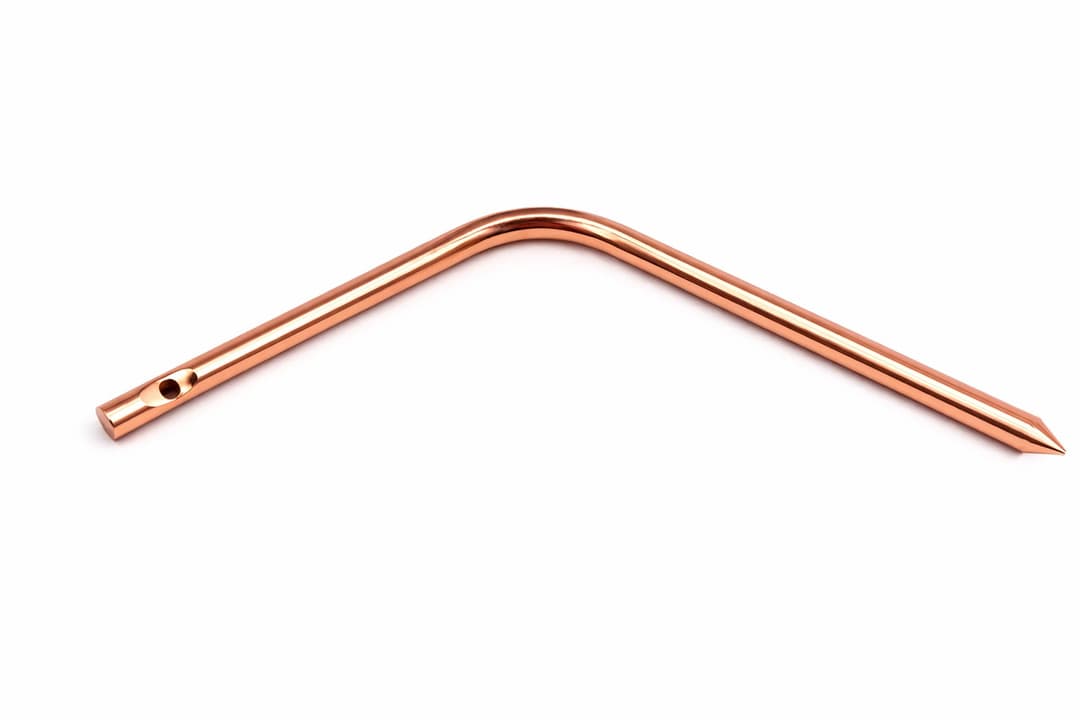
This test evaluates the bond integrity between the copper coating and the steel core, ensuring the coating does not peel, separate, or lose grip under severe mechanical stress—especially during driving, clamping, or rough site handling.
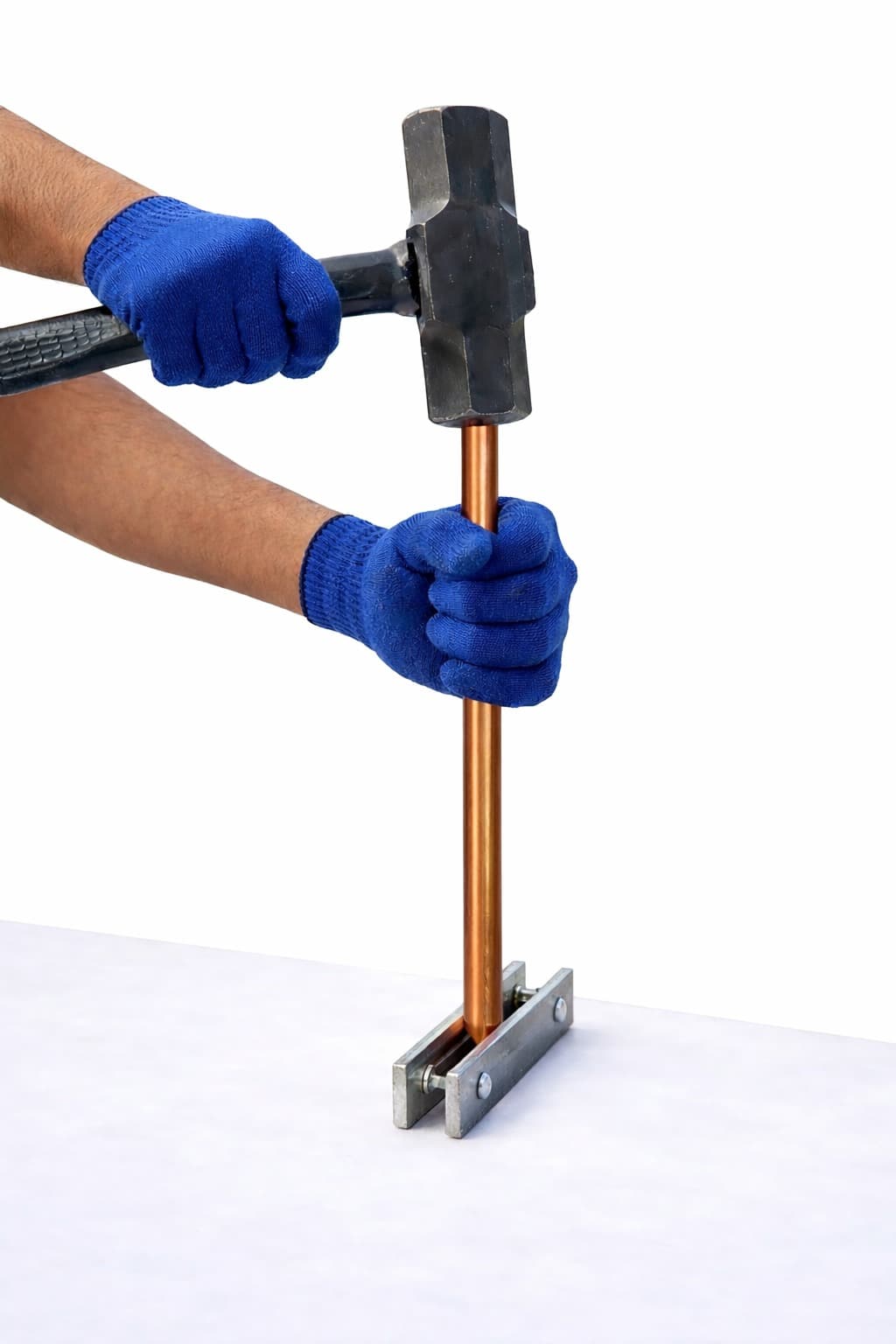
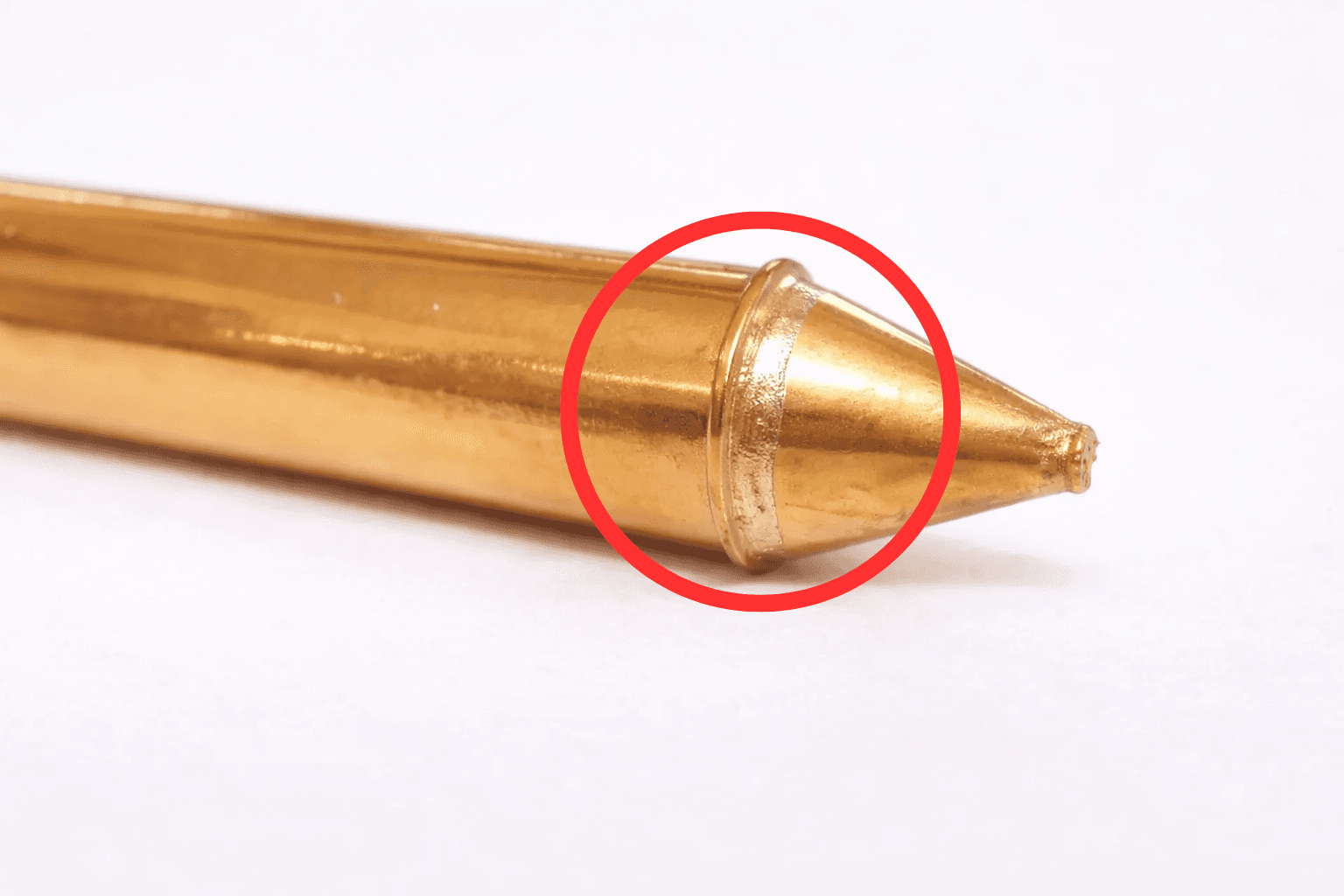
For the test, a 457 mm (18 inch) length of rod is prepared, with one end cut to a 45° point to simulate a driven electrode tip. The rod is secured in the jaws of a vise that are intentionally set slightly tighter than the rod diameter—specifically, 1.02 mm (0.04 inch) less than the rod diameter
As the rod is driven through this restricted gap, the plates shear off a portion of the outer metal, deliberately exposing the interface between the coating and the core. This controlled shearing action creates a demanding condition that verifies whether the copper coating remains firmly bonded to the rod without separation.
The test confirms that the electrode’s coating adhesion is strong enough to withstand real installation stresses while maintaining dependable long-term performance.
Coating Thickness Test
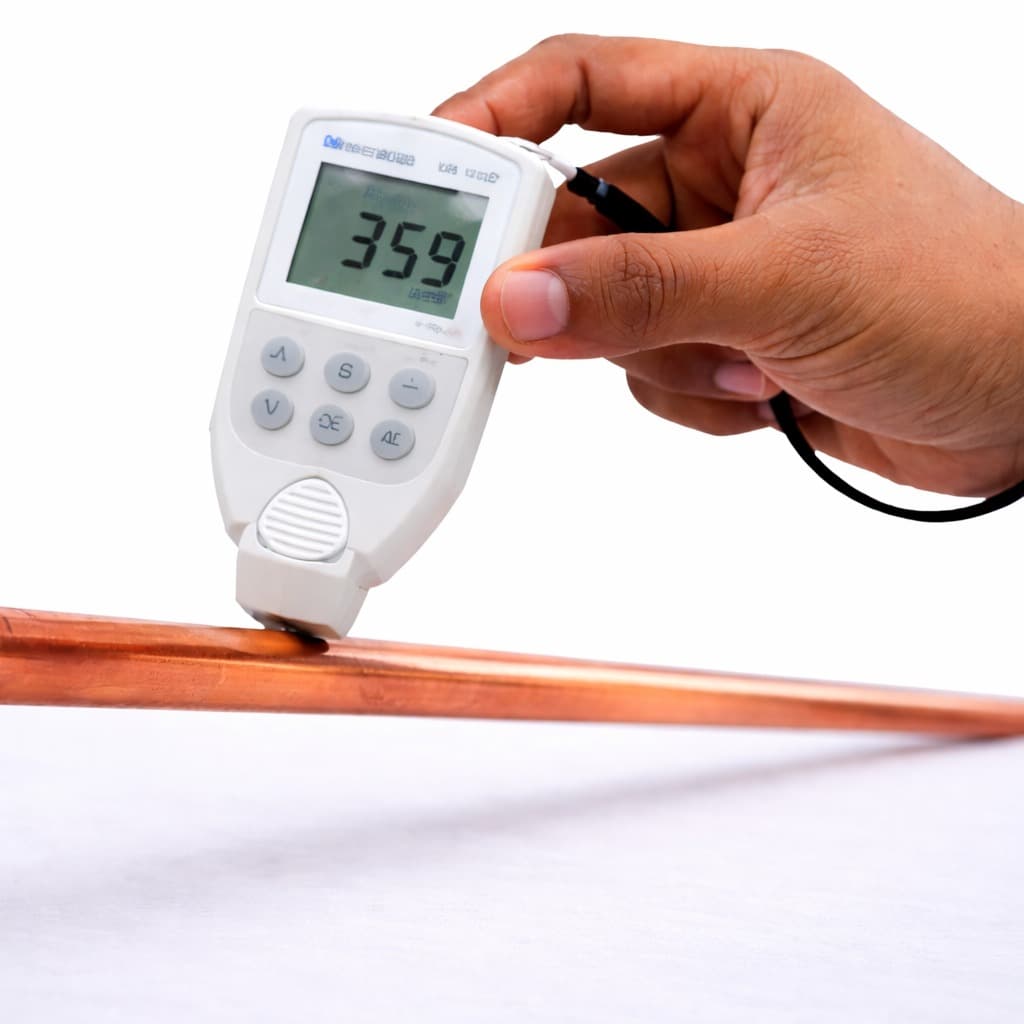
This test confirms that the copper coating thickness on the electrode is consistent and adequate for long-term corrosion resistance and reliable conductivity, especially in demanding soil conditions.
The coating thickness is measured using a DFT (Dry Film Thickness) gauge, a reliable electronic instrument designed to provide accurate, repeatable readings. Multiple measurements are taken at defined points along the rod to verify uniformity of coating and ensure the electrode is manufactured with consistent protection throughout its length.
Burnishing Test
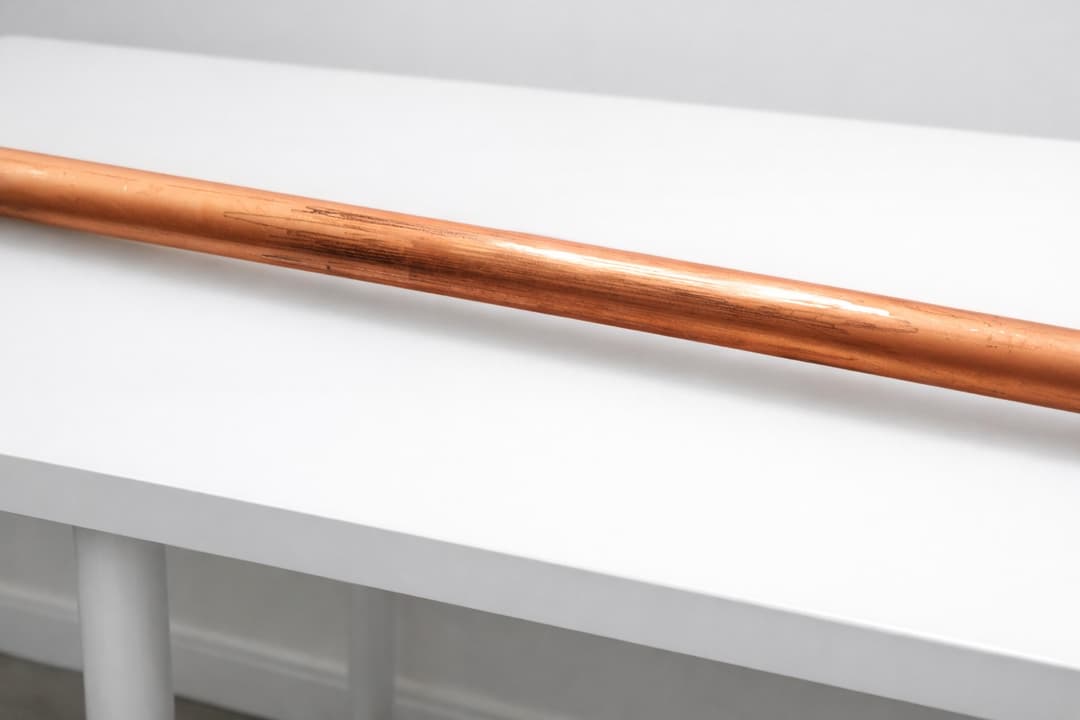
The burnishing test is carried out to assess the adhesion and continuity of the copper coating under aggressive surface rubbing—simulating real-world abrasion that can occur during handling, storage, and site installation.
In this method, a small area of the significant surface (limited to about 6 cm²) is rubbed rapidly and firmly for 30 seconds using a smooth metal implement. Sufficient pressure is applied so the copper coating is burnished at every point across the rubbed area.
After burnishing, the rubbed surface is visually examined to confirm the coating remains uniform and firmly bonded, without signs of peeling, lifting, or exposure of the base metal—supporting reliable corrosion resistance and long-term field performance.
Resistivity Test of Earth Enhancing Compound
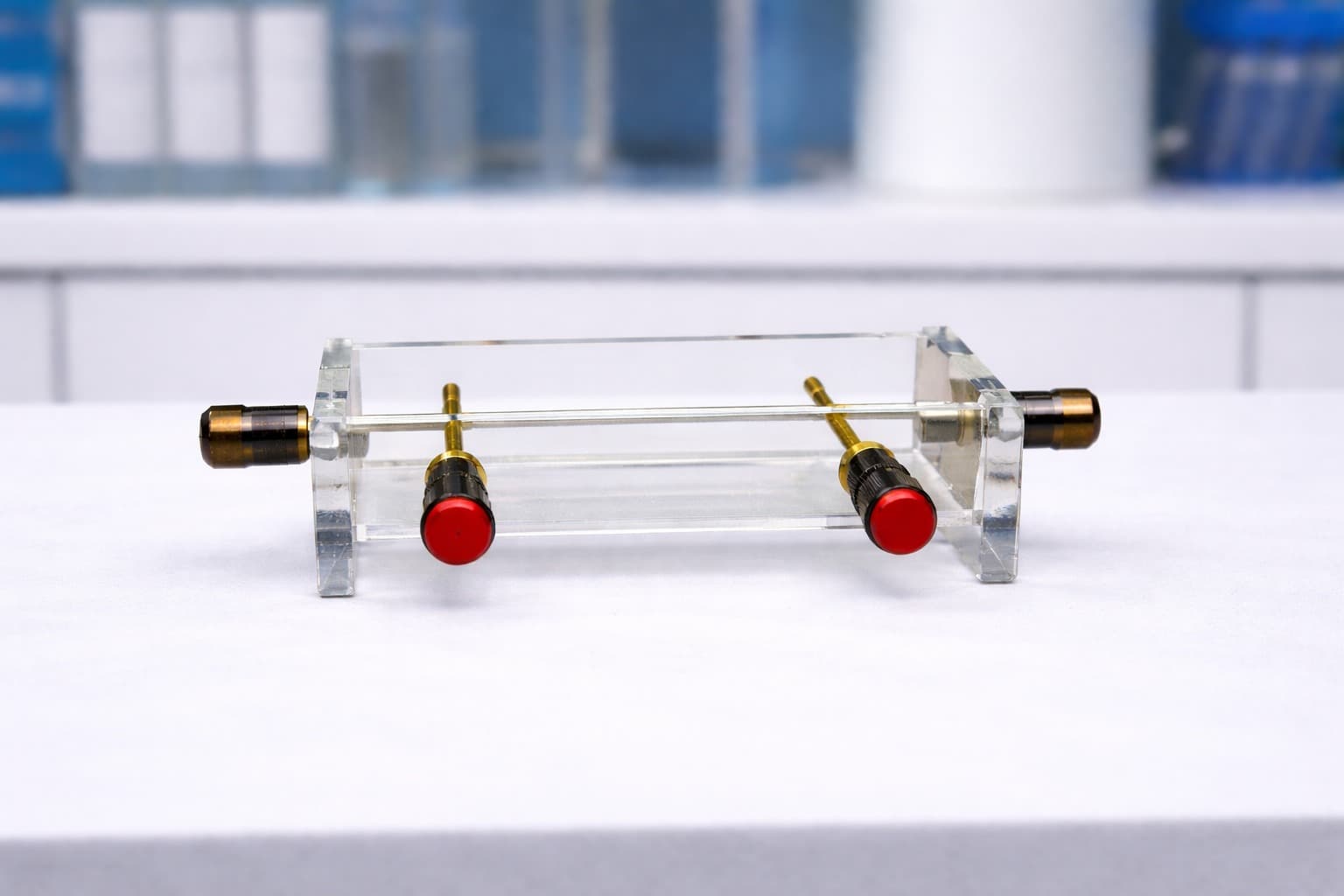
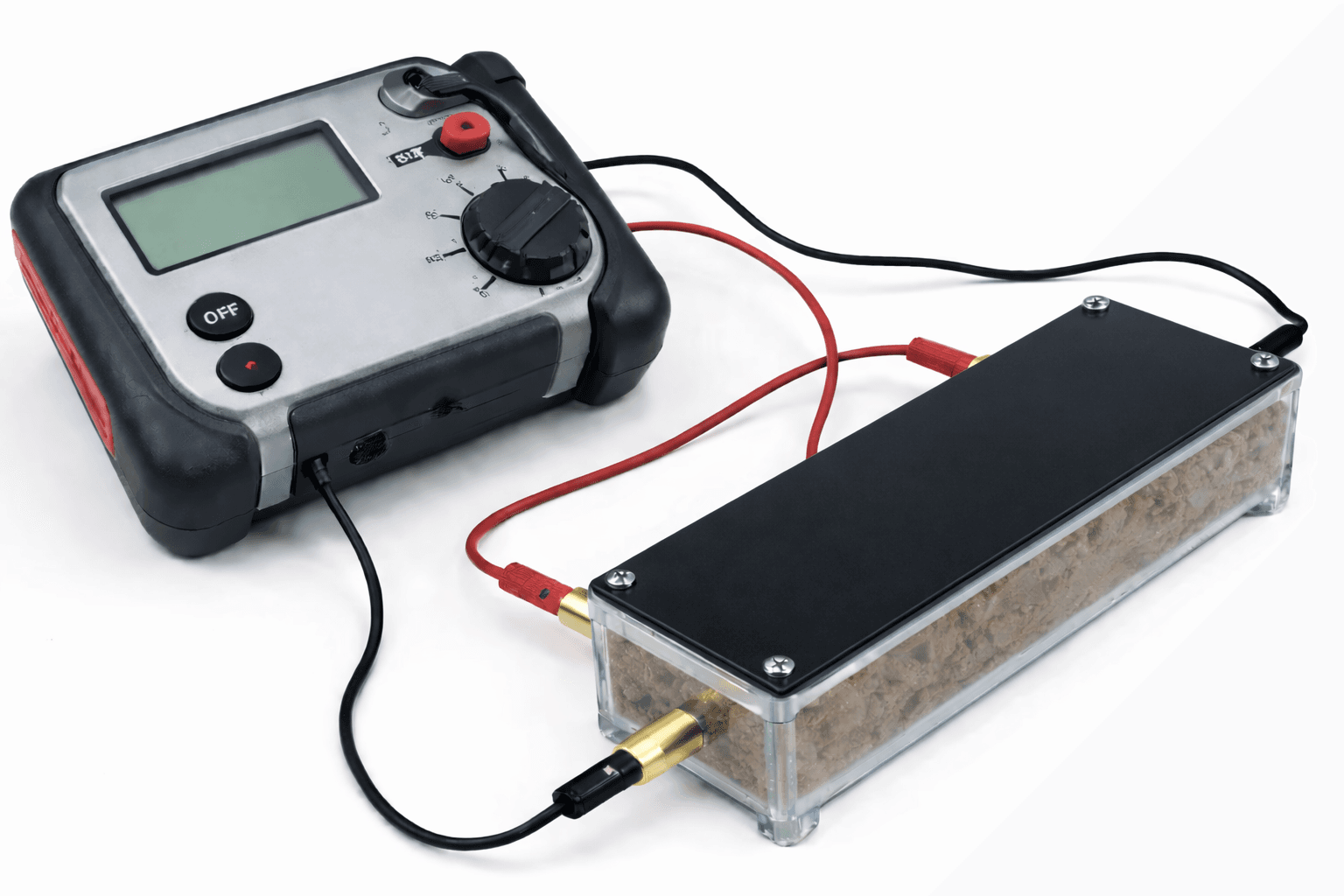
This test determines the electrical resistivity of the Earth Enhancing Compound, which directly impacts grounding effectiveness—especially in high-resistivity soil conditions.
Resistivity is measured using the Four-Electrode Method as per the referenced ASTM procedure, carried out with a standard soil box. Current and voltage readings are taken in a controlled setup, and resistivity is calculated using the measured values and soil box dimensions.
Dye Penetration Test
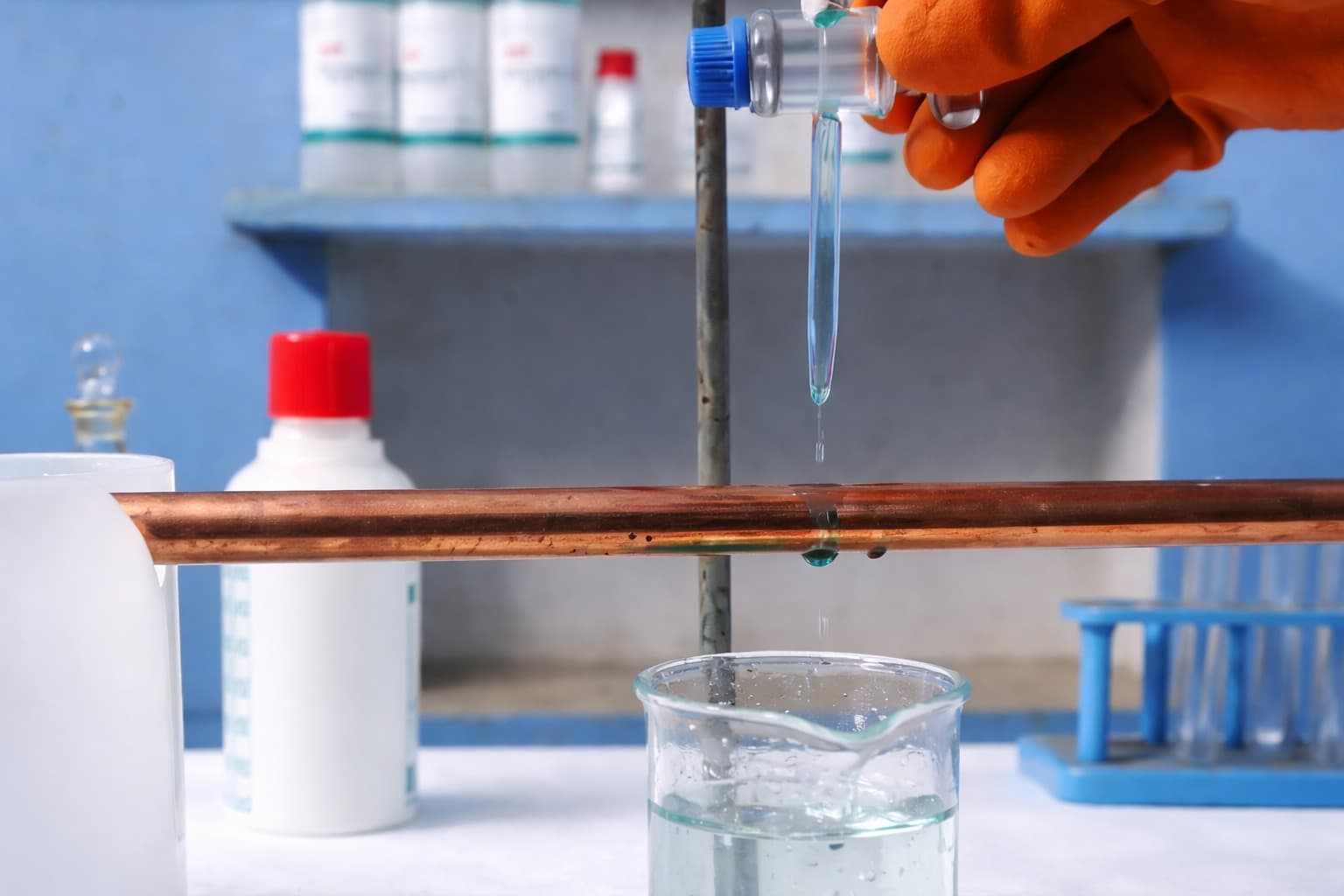
This test is performed to detect surface-level cracks, pores, or discontinuities that may develop in welded areas, ensuring weld integrity and reliable structural performance.
The weld surface is thoroughly cleaned, and a liquid penetrant is applied over the welded zone. After allowing sufficient dwell time (typically about 15 minutes) for the penetrant to seep into any surface openings, the excess penetrant is carefully removed. A developer is then applied, which draws out penetrant trapped in defects, making any cracks, pores, or discontinuities clearly visible on the surface.
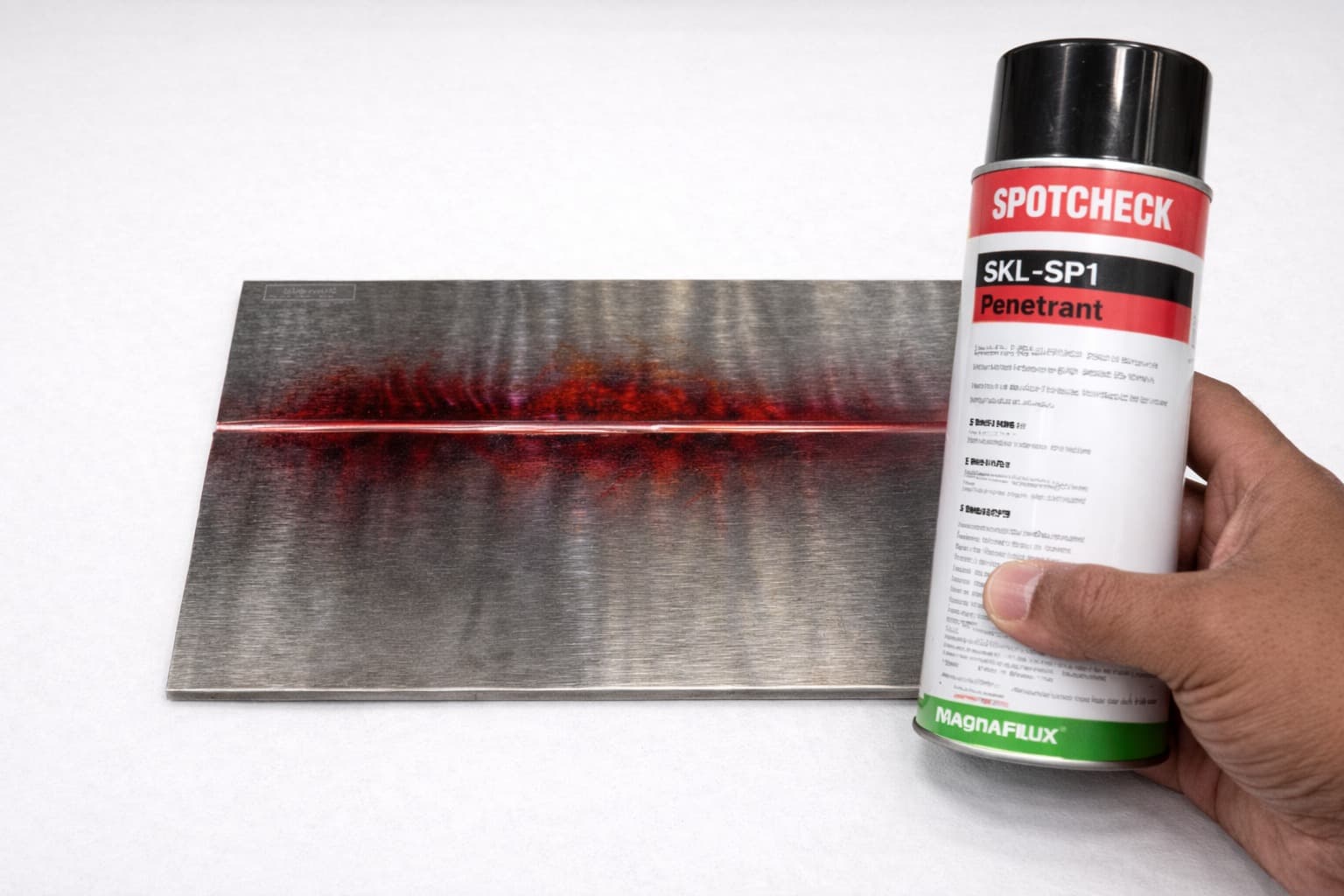
Applying Penetrant

Removing Penetrant
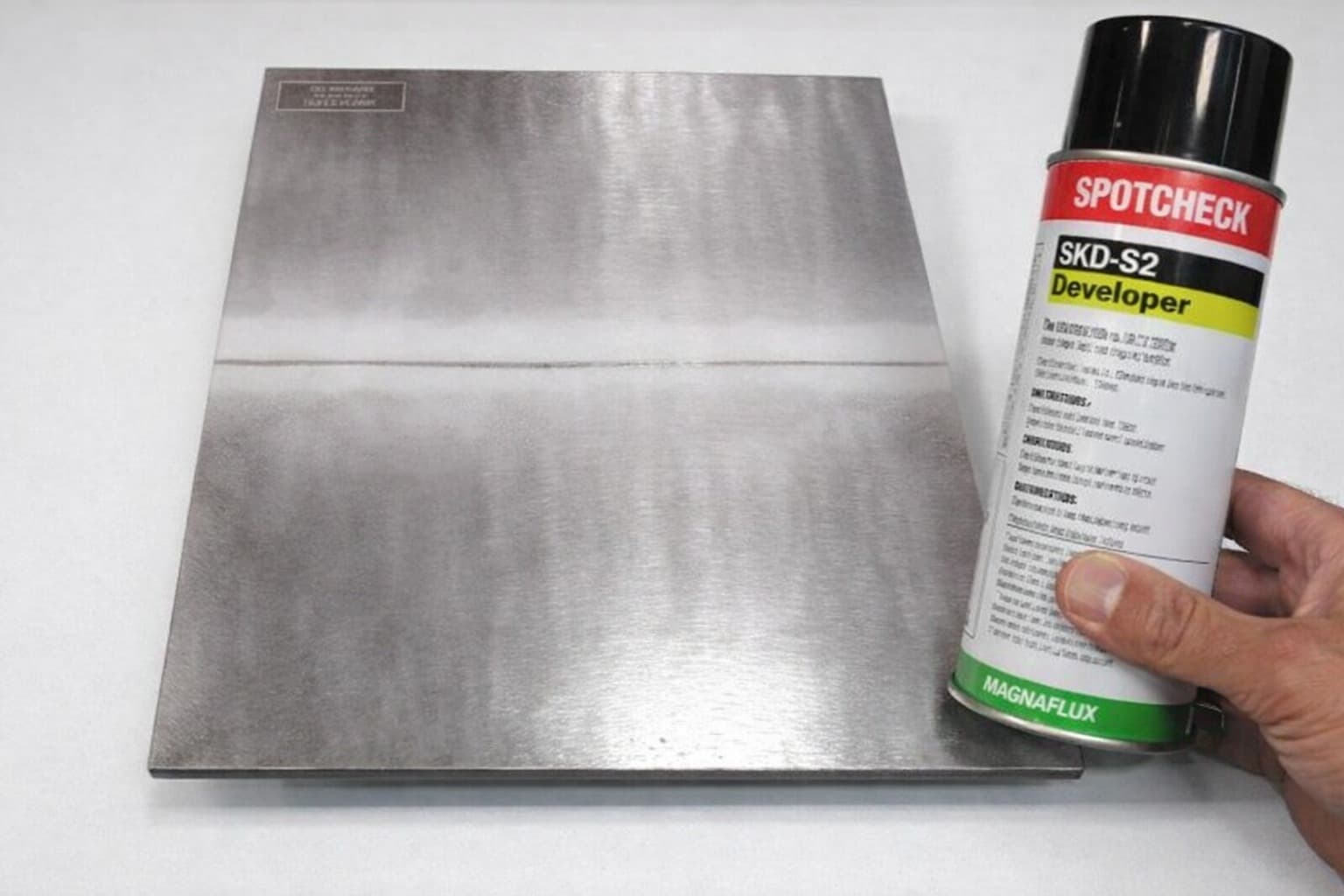
Applying Developer
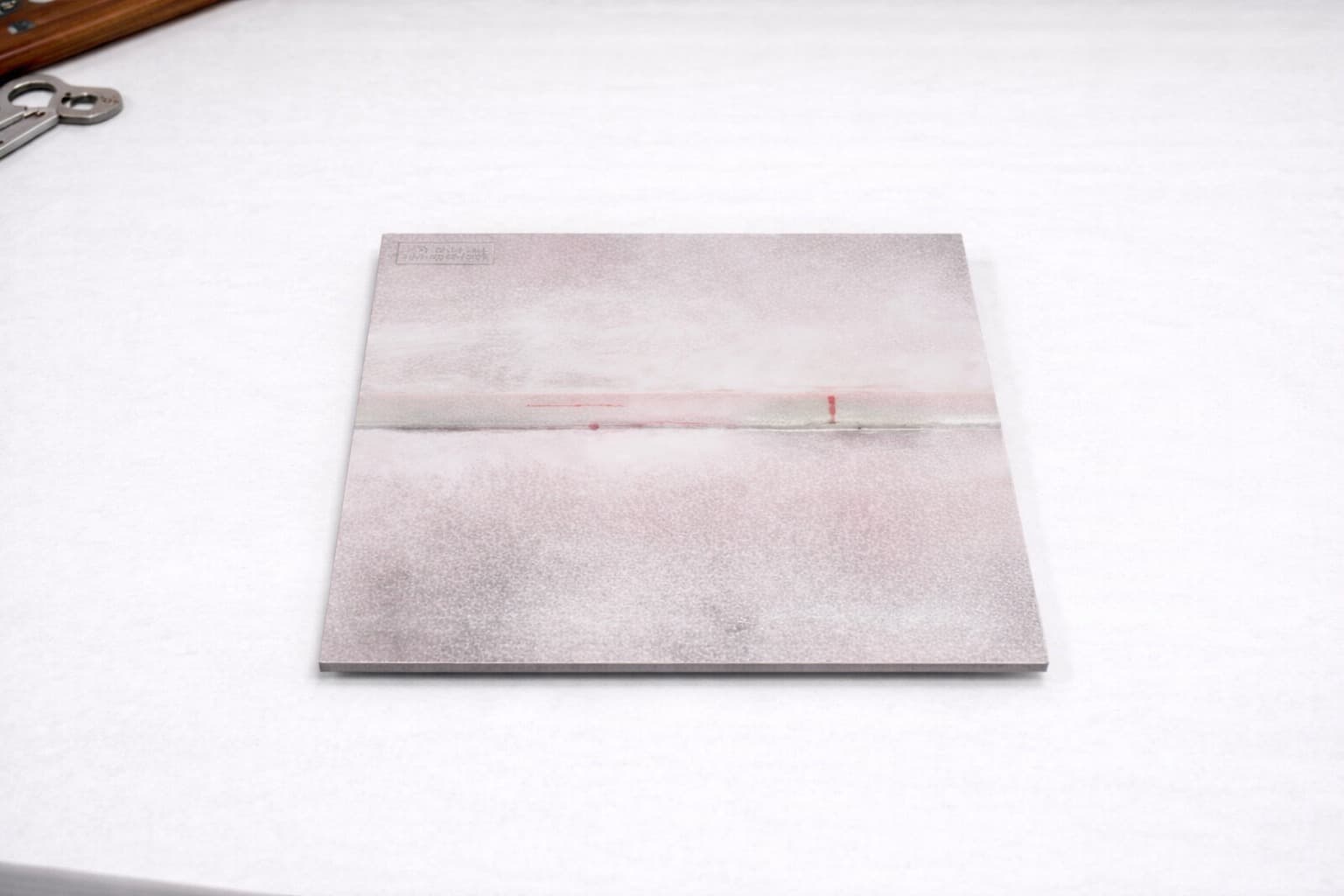
Evaluating Indications